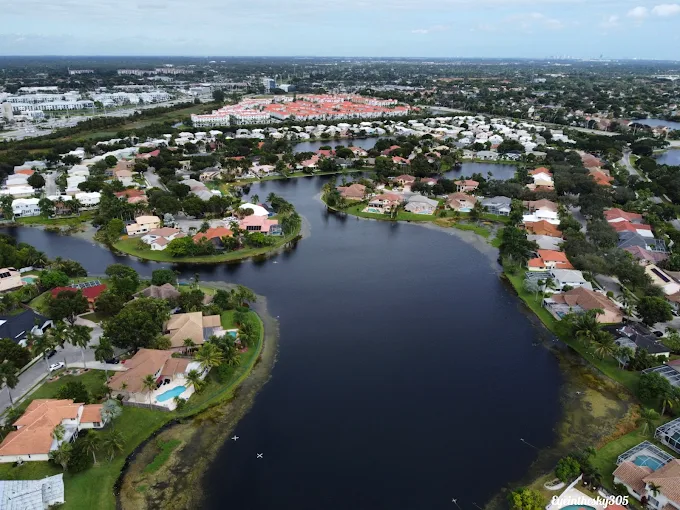
You can sell a flood-damaged house, but its condition will affect the price, buyer interest, and sale process. The first step is understanding the damage. From there, you can compare making repairs with selling the property in its current condition.
Document the Damage and Repairs
Gather photos, inspection reports, repair estimates, insurance records, and receipts for completed work. Buyers may ask how water entered the home, which areas were affected, and what was done afterward. Clear records help them evaluate the property and reduce unanswered questions. Flood and disaster history can also affect a buyer’s insurance decisions and ownership costs.
Compare Repairing With Selling As-Is
Repairs may make the home appealing to more buyers, but they require money and time. Before starting, get written estimates and check local permit requirements.
For substantial damage, local floodplain rules may require more than restoring the home to its previous condition. Ask the local building or floodplain office about requirements before committing to a repair budget. Selling as-is may be practical if you cannot manage the repairs. Buyers will typically account for repair costs, uncertainty, and future flood risk when deciding what to offer.
Be Clear About the Property’s History
Disclosure requirements vary by state. Confirm which forms and information your sale requires. An as-is agreement should not be treated as permission to hide known damage. Buyers may also request inspections of electrical systems, structural components, and areas affected by moisture.
Choose a Sale That Fits Your Situation
Compare the expected proceeds from a repaired sale with an as-is offer. Include repair expenses, taxes, insurance, and the cost of holding the property. Have a flood-damaged home you want to sell? Contact Zero Stress Home Buyers to discuss its condition and possible next steps.